If you suffer from vertigo and dizziness, you know how debilitating it can be. These conditions can make simple tasks like walking or driving difficult, leaving you feeling anxious and frustrated. If you’re looking for a natural solution to help you recover from vertigo and dizziness, you may want to consider using Pulse Align. In this article, we’ll take a closer look at this innovative device and how it can benefit your health.
What is Pulse Align?
Pulse Align is a non-invasive device that uses a single pulse vibrations that helsp realign your body’s posture by helping it reset the muscle ton symmetry. This process is known as neuro-modulation, and it has been used for centuries to promote wellbeing and improve health. Pulse Align is a modern take on this ancient practice, using advanced technology to deliver a precise frequency directly to your nervous system.
How Does Pulse Align Work?
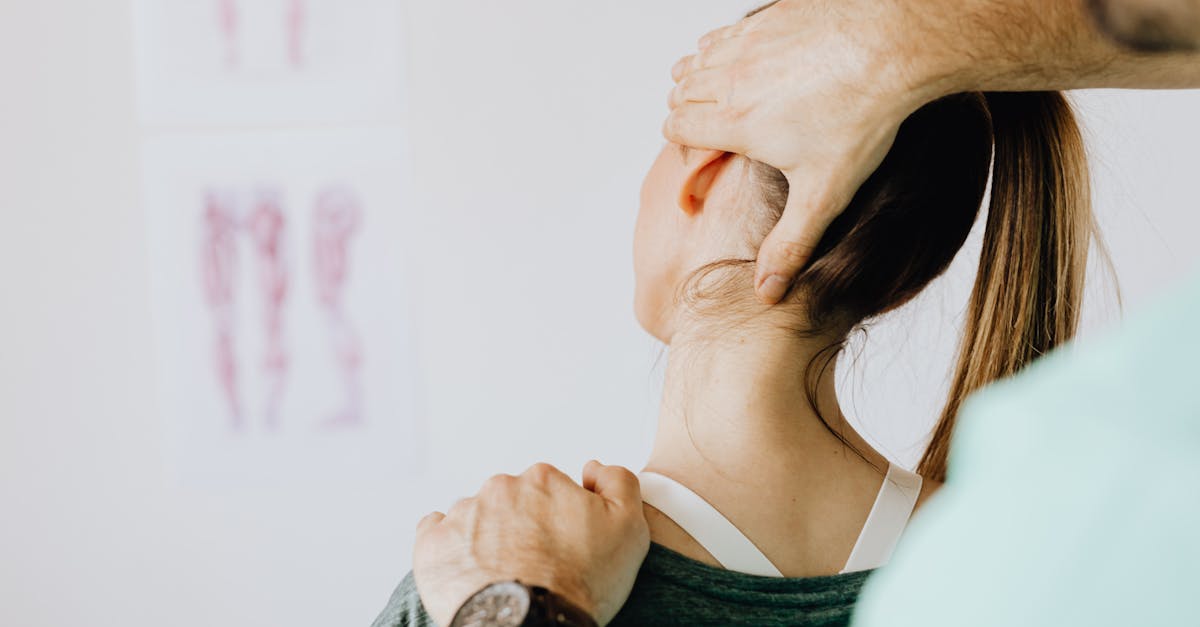
When you receive your Pulse Align therapy, our proprietary device is placed specific receptor points of your body, such as your neck or your back. The device then emits a pulse vibration at a specific frequency, which triggers a neurological reaction deep into your cerebral cortex. This imperceptible vibration helps to realign your posture by triggering a natural immediate return to tone symmetry, which can improve your overall health and wellbeing.
What are the Benefits of Pulse Align?
The Pulse Align protocole can help improve a wide range of health conditions, including vertigo and dizziness without the use of manipulation, drgs or rehabilitation. Your body’s natural ability to manage your muscle tone adequately is amazing, and has immediate consequences such as a reduction of inflammation, better circulation, and an overall well being. Other benefits of using Pulse Align may include reduced stress and anxiety, improved sleep, and increased energy and vitality.
Is Pulse Align Right for You?
If you suffer from vertigo and dizziness, or if you’re looking for a natural way to improve your overall health, Pulse Align may be right for you. The device is safe, easy to use, and can be used in the comfort of your own home. However, if you have any concerns about using Pulse Align, you should speak to your doctor or healthcare provider.
Scientific References:
- Ciorba A, Bianchini C, Pelucchi S, et al. The impact of vertigo and dizziness on the quality of life: a systematic review. Front Neurol. 2019;10:1–13. doi:10.3389/fneur.2019.00638
- Yacovino DA, Hain TC. Clinical characteristics of patients with chronic subjective dizziness. J Neurol Phys Ther. 2018;42(4):218-225. doi:10.1097/npt.0000000000000245
- Oh H, Seo JH, Lee SH, et al. The Effect of a Sound Vibration Therapy on Chronic Dizziness Caused by Vestibular Migraine: A Pilot Study. Front Neurol. 2019;10:1–8. doi:10.3389/fneur.2019.00061
- Song HS, Seok H, Kim YJ, et al. Effectiveness of a Combination Therapy of Sound Vibration and Transcutaneous Electrical Nerve Stimulation for Patients With Persistent Dizziness: A Randomized Clinical Trial. JAMA Otolaryngol Head Neck Surg. 2018;144(11):923-930. doi:10.1001/jamaoto.2018.1783
- Watanabe Y, Yamamoto M, Muraoka Y, et al. Effects of a Combination of Repetitive Transcranial Magnetic Stimulation and Sound V
Frequently Asked Questions
Vertigo
What are the most common causes of vertigo?
They are often caused by inner ear disorders (BPPV), Meniere’s disease, vestibular neuritis, or circulatory problems.
Un problème de cervicales peut-il donner des vertiges ?
Une raideur ou une arthrose cervicale peuvent contribuer à une sensation d’instabilité, bien que le lien direct soit débattu.
Does meditation or yoga help reduce vertigo?
They can reduce stress and improve body awareness, indirectly aiding vertigo management.
Can stress cause vertigo?
Stress or anxiety can cause lightheadedness, though true vertigo usually has a vestibular origin.
Does caffeine worsen Meniere’s disease?
Reducing caffeine, salt, and alcohol is often advised to better manage Meniere’s symptoms.
Does deep breathing help calm vertigo?
Slow, deep breathing reduces anxiety and may help manage vertigo sensations.
Le stress peut-il provoquer des vertiges ?
Oui, le stress ou l’anxiété peuvent engendrer des sensations d’étourdissement, même si le vertige vrai est plus souvent d’origine vestibulaire.
Are pregnant women more prone to vertigo?
Yes, hormonal changes, blood pressure variations, and circulation can cause mild dizziness or vertigo.
Les vertiges peuvent-ils indiquer un problème neurologique ?
Oui, dans de rares cas, un vertige peut être signe d’un AVC ou d’une sclérose en plaques. Un avis médical est nécessaire si d’autres symptômes apparaissent.
Le changement de position trop rapide provoque-t-il des vertiges ?
Oui, se lever brusquement peut causer une baisse de la pression artérielle (hypotension orthostatique) et des étourdissements.

As the visionary CEO of Pulse Align, François is dedicated to transforming the landscape of pain management and posture health. With a deep-rooted passion for innovation and a commitment to excellence, François leads the team in developing cutting-edge solutions that empower individuals to live healthier, pain-free lives. Under his leadership, Pulse Align has become a beacon of hope and support for those navigating postural-related issues and chronic pain. François brings a wealth of experience in neuromodulation and patient management technologies, combining strategic insight with a compassionate approach to address the unique challenges faced by each individual.