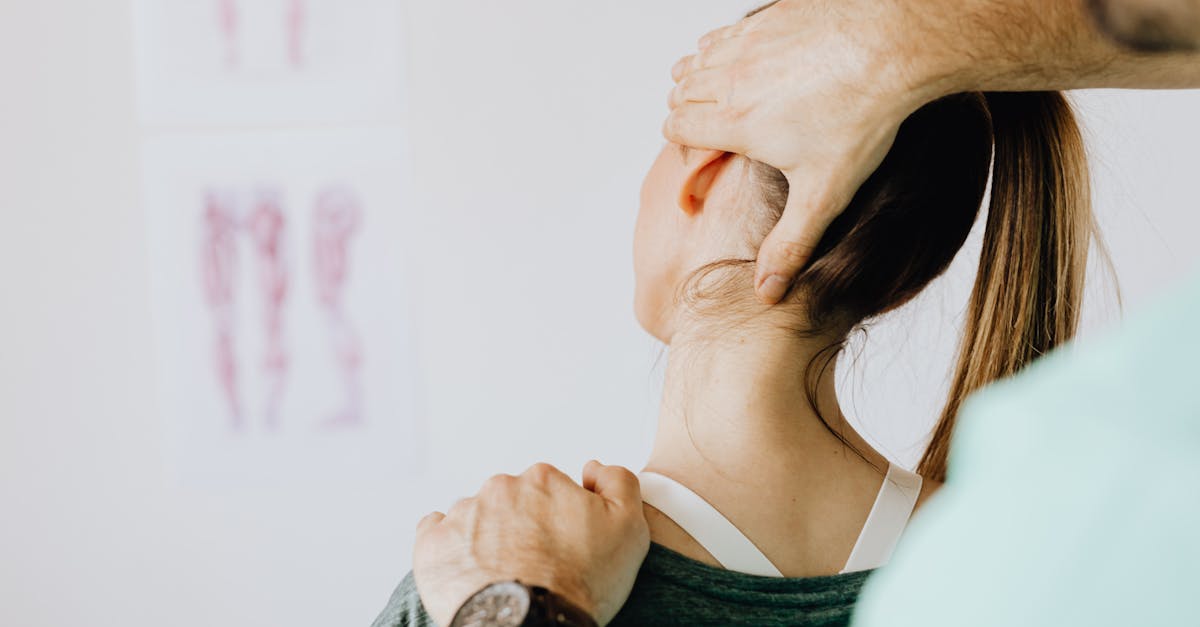

Struggling with a rotator cuff injury that’s taking too long to heal?
In Short: A rotator cuff injury causing you pain and discomfort? Experience shoulder pain relief and enhanced mobility with innovative shoulder pain exercises tailored to your needs. Pulse Align Clinics propose a unique, gentle approach to postural recalibration that can help you rediscover your physical capabilities—improve strength, reduce discomfort, and move with confidence. Reclaim your health and wellness at Pulse Align Clinics. BOOK YOUR APPOINTMENT today!
Are you struggling with lower back pain and poor posture?
Studies show that 54% of adults experience shoulder issues related to rotator cuff injury taking long to heal. If you’re dealing with persistent shoulder pain after a rotator cuff injury, let Pulse Align encourage restored motion with our holistic approach to recovery. We specialize in shoulder pain relief and offer the best exercises for rotator cuff injury to help you regain mobility. With effective shoulder pain exercises and natural remedies for shoulder bursitis, you can overcome obstacles caused by shoulder pain when lifting your arm or during the night. Embrace an empowered path to wellness through improved posture correction and core strengthening with Pulse Align.

“`html
Experience the Benefits of Restored Motion with Pulse Align
If you’ve been wondering about the length of time it takes to heal from a rotator cuff injury, you’re not alone. Many individuals face challenges when it comes to movement and comfort, often seeking effective methods for posture improvement and overall well-being. Pulse Align offers a gentle and innovative approach through neuromuscular recalibration, making it easier to restore motion naturally.
Understanding Neuromuscular Recalibration
At Pulse Align, our focus is on promoting muscle tone symmetry through gentle stimulation. This method allows the body to return to its natural balance, supporting optimal function and enhancing postural alignment. Our approach does not involve specific treatments for discomfort but rather encourages your body’s inherent ability to heal and rejuvenate.
Holistic Benefits of a Gentle Approach
Choosing a holistic method like Pulse Align can provide several advantages. By fostering a safe environment that nurtures the body’s natural healing process, clients often report improved comfort and mobility. Many have noticed they can improve posture naturally and even experience a reduction in tension and discomfort associated with imbalance. Our individualized services cater to all clients, including families with children and expectant mothers seeking a path to enhanced well-being.
Testimonials Reflecting Change
Clients appreciate their experiences at Pulse Align. One client shared, “I was searching for ways to reduce neck discomfort, and through their holistic methods, I found my mobility enhanced and my posture corrected.” Another mentioned, “The support I received made it easy for me to increase flexibility and regain my confidence.” These stories reflect the positive outcomes that come from a dedicated focus on natural health and balance.
Take the First Step Towards Wellness
Are you ready to start your journey with Pulse Align? We invite you to find a clinic near you in cities like Montreal, La Prairie, Terrebonne, Chicoutimi, Charlesbourg, Saint-Jérôme, Châteauguay, Sainte-Marie, Les Escoumins, Granby, or even Panama City. Our non-invasive services complement existing healthcare practices, ensuring comprehensive well-being for you and your family. Book your consultation today and take the first step towards achieving restored motion and balance!
Disclaimer: Pulse Align complements and does not replace medical care. Clients are encouraged to stay under the supervision of their healthcare team. Any reported symptom relief is due to the body’s natural ability to restore balance, not Pulse Align’s direct intervention.
Struggling with Rotator Cuff Injury Recovery?
- Understand Your Injury: Grasp the nature of your rotator cuff injury to manage expectations.
- Patience is Key: Healing takes time; don’t rush the recovery process.
- Customized Rehabilitation: Engage in tailored exercises specifically addressing your shoulder needs.
- Early Intervention: Seek professional help to identify the best recovery strategy.
- Focus on Mobility: Gradually work on restoring shoulder mobility to enhance functionality.
- Avoid Re-injury: Recognize warning signs to prevent setbacks during recovery.
- Holistic Approach: Consider overall body health to promote faster healing.
- Practice Good Posture: Improve your posture to alleviate unnecessary shoulder strain.
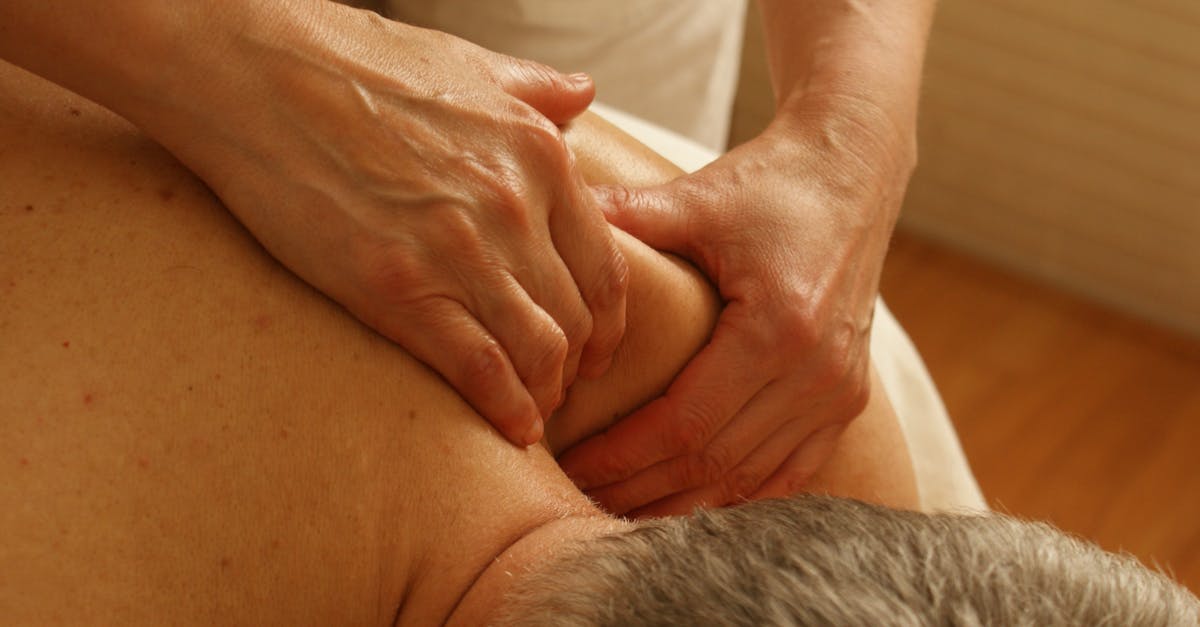
Experiencing a rotator cuff injury can significantly impact your daily life, especially if the healing process seems prolonged. At Pulse Align, we believe in a holistic approach that emphasizes neuromuscular health, posture improvement, and effective recovery methods to facilitate healing. This article will explore key strategies to encourage restored motion after a rotator cuff injury and how our specialized treatments can help.
Understanding Rotator Cuff Injuries
Injuries to the rotator cuff can arise from various causes, including overuse, acute trauma, and age-related wear. Symptoms often include persistent shoulder pain, particularly when lifting the arm, and may also manifest as discomfort during sleep or activities involving arm movement. Identifying the specific shoulder pain causes is crucial for tailoring an effective recovery plan.
The Importance of Holistic Approaches
A comprehensive recovery plan focuses not only on treating the symptoms of shoulder pain but also on addressing the underlying issues. Holistic interventions, such as posture correction and core strengthening, can significantly enhance the healing process. By applying techniques that improve symmetry and promote natural balance, individuals can experience better outcomes in their recovery journey.
Effective Shoulder Pain Exercises
Integrating specific shoulder pain exercises into your daily routine can aid recovery. Here are some effective exercises to consider:
- External Rotation: This exercise is essential for strengthening the rotator cuff and improving overall shoulder stability. Start with light resistance and gradually increase as you feel stronger.
- Shoulder Blade Squeeze: An exercise that helps in posture correction, align your shoulders properly, which is crucial during recovery.
- Wall Angels: This movement enhances mobility and is beneficial for those struggling with frozen shoulder conditions. Perform these slowly, focusing on your range of motion.
Natural Remedies for Shoulder Bursitis and Tendinitis
For conditions like bursitis and tendinitis, natural remedies can offer significant relief. Combining gentle stretching exercises with therapies such as shockwave treatment can enhance blood circulation and support tissue regeneration, reducing pain and inflammation. Consider incorporating these holistic treatments into your routine for optimal recovery.
Rest and Recovery: The Key to Healing
Patience is essential when dealing with a rotator cuff injury. Adequate rest combined with a tailored rehabilitation program can make all the difference in restoring motion. Consult a professional at Pulse Align to receive personalized recommendations that facilitate effective rehabilitation strategies.
Sleep Solutions for Shoulder Pain
Sleep disturbances are common for those experiencing shoulder pain at night. To ensure restorative sleep, consider making modifications to your sleeping position. Using supportive pillows can help maintain a neutral spine and alleviate discomfort when lying down, enabling better recovery overall.
Book Your Consultation with Pulse Align
Don’t let a rotator cuff injury derail your quality of life. At Pulse Align, our expert team is dedicated to providing tailored solutions aimed at enhancing your recovery journey. We encourage you to book a consultation today to learn more about personalized exercise plans, effective shoulder pain relief strategies, and innovative treatments offered at our clinics in Montreal, La Prairie, and other convenient locations. Reclaim your health and motion with Pulse Align!
| Aspect of Comparison | Pulse Align Approach |
|---|---|
| Healing Time | Emphasizes a gradual and natural recovery process. |
| Focus | Prioritizes overall wellness and balance in the body. |
| Movement Restoration | Encourages gentle, progressive motion to enhance mobility. |
| Body Recalibration | Promotes natural alignment and coordination of muscles. |
| Client Empowerment | Encourages individuals to take charge of their own wellness journey. |
| Holistic Approach | Integrates various techniques that promote overall physical harmony. |
| Intervention Type | Focuses on non-invasive methods for fostering recovery. |
| Individualization | Offers tailored sessions based on unique client needs. |
| Posture Enhancement | Improves posture through specific exercises and techniques. |
| Community Support | Fosters a warm environment for shared wellness experiences. |
Clients Embrace Holistic Recovery at Pulse Align
“After my rotator cuff injury, I felt lost. I tried various treatments, but nothing seemed to work until I discovered Pulse Align. Their unique approach not only addresses the injury itself but encourages my body to recalibrate and restore balance. Since starting my sessions, I’ve noticed remarkable improvements naturally! It feels like my body has learned to heal itself again. I’m grateful for the supportive environment and expert guidance I received at Pulse Align.” – Paul, Chicoutimi
“In Mont-Royal, I was searching for a solution to my persistent shoulder pain. Pulse Align’s holistic methodology not only focused on my injury but empowered me to rediscover my body’s abilities. Integrating gentle exercises and mindfulness techniques, I experienced a journey of holistic recovery that transformed my approach to wellness. I can now enjoy the activities I love without discomfort.” – Claire, Mont-Royal
“Living in Terrebonne, I was skeptical about finding relief for my rotator cuff injury. However, Pulse Align turned my doubts into hope. Their emphasis on the body’s natural healing process turned out to be the key to my recovery. I noticed improvements in my mobility and strength after just a few sessions. The staff’s caring support made the journey much easier than I expected.” – Marc, Terrebonne
“In La Prairie, I found my experience at Pulse Align incredibly transformative. They recognize that every client has a unique journey and work diligently alongside healthcare teams to provide tailored services. I left my first session feeling more in tune with my body, and the consistent improvement afterwards was encouraging. I couldn’t be happier with the results!” – Sophie, La Prairie
“In Châteauguay, my pursuit of recovery from a rotator cuff injury led me to Pulse Align. As a team who genuinely cares about helping clients restore their physical function, they provided me with effective strategies to help my body recalibrate. This approach not only improved my shoulder’s condition but also enriched my overall wellness journey.” – Lucas, Châteauguay
If you’re exploring how Pulse Align can support your wellness journey, consider visiting our Our Clinics page to find a location near you in areas like Saint-Jérôme or Sainte-Marie. Experience firsthand how we work alongside healthcare teams to assist you and your family on the path to restored motion and well-being.
Rotator cuff injuries are not just a common ailment; they can significantly impact your daily life, from simple tasks to intense workouts. If you’ve ever experienced shoulder pain, you may find yourself wondering: how long does it really take to heal? While the timeline can vary depending on the severity of the injury and individual factors, understanding the healing process is essential for your recovery journey.
In this article, we’ll delve into expert insights from a physical therapist, exploring the stages of healing, effective rehabilitation strategies, and tips to accelerate your recovery. Whether you’re an athlete, a weekend warrior, or someone navigating daily discomfort, this comprehensive guide will illuminate the path to recovery and empower you to regain your strength.
Anatomy of the Rotator Cuff
The rotator cuff is a critical component of the shoulder, consisting of four muscles and their associated tendons that stabilize the shoulder joint. These muscles are the supraspinatus, infraspinatus, teres minor, and subscapularis. Together, they form a cuff over the head of the humerus, allowing for a wide range of shoulder movements and ensuring the stability of this highly mobile joint.
Each muscle in the rotator cuff plays a specific role. The supraspinatus muscle helps lift the arm, the infraspinatus and teres minor enable external rotation, and the subscapularis facilitates internal rotation. The harmonious functioning of these muscles and tendons is essential for performing daily activities that involve reaching, lifting, and rotating the arm. Any disruption to this system can lead to significant pain and functional impairment.
Understanding the anatomy of the rotator cuff is crucial for appreciating the complexity of shoulder movements and the potential impact of injuries. When the rotator cuff is damaged, whether through acute injury or chronic wear and tear, it can significantly disrupt one’s quality of life.
Common Causes of Rotator Cuff Injuries
Rotator cuff injuries can result from a variety of factors, with the most common causes being overuse, acute trauma, and degenerative changes. Overuse injuries are frequently seen in individuals who engage in repetitive shoulder activities, such as athletes, construction workers, and those with labor-intensive jobs. Repeated overhead motions can lead to inflammation, microtears, and ultimately, a rotator cuff tear if not properly managed.
Acute trauma is another leading cause of rotator cuff injuries. This can occur from a fall, a direct blow to the shoulder, or an abrupt lifting of a heavy object. Such incidents can cause immediate tears or strains in the rotator cuff muscles or tendons.
Degenerative changes, often associated with aging, can also contribute to rotator cuff injuries. As we age, the tendons in the rotator cuff can weaken and become less elastic, making them more prone to tears even with minimal stress. Understanding these common causes helps in both preventing and effectively treating rotator cuff injuries.
Symptoms of Rotator Cuff Injuries
Recognizing the symptoms of rotator cuff injuries is essential for early intervention and effective treatment. The most common symptom is shoulder pain, which can range from a dull ache to sharp, intense pain. This discomfort is often felt in the upper arm and may worsen with specific movements, such as lifting the arm or reaching behind the back.
Individuals with rotator cuff injuries may experience weakness in the shoulder, particularly when attempting to lift or rotate the arm. This weakness can significantly impair one’s ability to perform everyday tasks, such as combing hair, dressing, or carrying objects.
Another symptom to be aware of is a clicking or popping sensation when moving the shoulder. Identifying these symptoms early on can lead to a timely diagnosis and prevent the injury from worsening.
Diagnosis: How Are Rotator Cuff Injuries Identified?
Diagnosing a rotator cuff injury typically involves a combination of a detailed medical history, a physical examination, and imaging studies. During the medical history, the healthcare provider will inquire about the onset, duration, and nature of the shoulder pain, as well as any activities that may have contributed to the injury.
The physical examination involves a series of tests designed to assess the range of motion, strength, and stability of the shoulder. Imaging studies play a crucial role in confirming the diagnosis and determining the extent of the injury.
Treatment Options for Rotator Cuff Injuries
Treatment for rotator cuff injuries can vary widely depending on the severity of the injury and the patient’s overall health. Conservative treatments are often the first line of defense for mild to moderate injuries. Physical therapy focuses on exercises that improve strength, flexibility, and range of motion.
In cases where conservative treatments are not sufficient, corticosteroid injections may be used to provide pain relief and reduce inflammation. For more severe rotator cuff injuries, surgical intervention may be necessary.
The Healing Process: What to Expect
The healing process for a rotator cuff injury can be lengthy and requires patience and adherence to a structured rehabilitation program. The body initiates an inflammatory response to repair the damaged tissues, followed by proliferation of new cells to replace the damaged tissues that can last several weeks to a few months.
Factors Influencing Recovery Time
Several factors can influence the recovery time for a rotator cuff injury, including the severity of the injury and the presence of other medical conditions.
Rehabilitation and Exercises for Rotator Cuff Recovery
Rehabilitation is a vital component of the recovery process for a rotator cuff injury. A well-structured rehabilitation program aims to restore strength, flexibility, and range of motion while preventing further injury.
Integrating shoulder pain exercises into your daily routine can be transformative. These essential exercises are recommended to improve flexibility and prepare the shoulder for more demanding tasks.
Our Mission
At Pulse Align, our mission is to deliver evidence-based, client-centered treatments that address the underlying causes of pain and dysfunction. By integrating advanced techniques and technologies, we strive to empower each person to take control of their health, ensuring a high standard of care, lasting relief, and an improved quality of life.
Learn more about his approach and available services at www.pulsealign.com and find a location near you here: https://pulsealign.com/our-locations/
Enhance Your Recovery with TAGMED’s Advanced Spinal Decompression Therapy
TAGMED offers a non-surgical solution designed specifically to address moderate-to-severe disc issues, including herniated discs and bulging discs. By gently reducing pressure on the affected discs and nerves, this specialized technique helps enhance mobility, alleviate pain, and support your body’s natural healing process. If you’ve reached a plateau with other therapies, discover how TAGMED’s evidence-based decompression approach can help you resume an active, comfortable life.
Have you tried conventional treatments and still struggle with persistent back pain due to a severe disc condition?
The mechanism of action behind TAGMED’s neurovertebral decompression involves applying a controlled, progressive traction force to the spine. This method increases the space between vertebrae, reducing pressure on intervertebral discs and nerve roots. As a result, it promotes better fluid circulation in the targeted area. This process helps lower inflammation and relieve pain, offering a reliable, non-invasive solution for individuals suffering from chronic back pain and related conditions.
One of the most compelling benefits of this non-invasive approach is its effectiveness in alleviating chronic pain and symptoms linked to conditions like spinal stenosis. By reducing pressure on nerve structures and optimizing fluid circulation around the discs, patients often experience faster recoveries and an improved quality of life. Whether dealing with sciatica, degenerative disc disease, or disc protrusion, neurovertebral decompression empowers patients to reclaim their well-being.
When comparing TAGMED’s neurovertebral decompression technology with other commonly used treatments, the advantages become evident. Traditional therapies such as pain medications, corticosteroid injections, and surgeries often come with risks and extended recovery periods. On the contrary, neurovertebral decompression minimizes medication-related risks and avoids invasive interventions, making it a safer choice for individuals seeking effective alternatives. This non-invasive technique can deliver a potentially faster path to recovery, making it an ideal option for those navigating chronic pain.
Numerous patients have experienced transformative results through TAGMED’s spinal decompression therapy. For example, one individual reported lasting pain relief after only a few sessions, allowing them to resume daily activities that were previously hindered by back pain. Another testimonial highlighted a significant reduction in the reliance on pharmaceuticals, showcasing the value of this method in enhancing overall life quality. Such real-world accounts illustrate the tangible benefits of neurovertebral decompression and affirm its efficacy as a viable treatment option.
In conclusion, TAGMED’s advanced spinal decompression therapy presents a promising avenue for those suffering from chronic discomfort related to disc conditions. By embracing this innovative therapy, patients can expect not only pain relief but also a holistic approach to reclaiming their lives and activities.
Conclusion: Embrace a New Path with Pulse Align
If you’re grappling with a rotator cuff injury and wondering why it seems to take so long to heal, consider the path that Pulse Align offers to restore motion and enhance your overall well-being. Our holistic approach emphasizes posture correction, natural pain relief, and the gentle support of your body’s natural healing abilities.
Clients have reported positive experiences, noting improvements in their posture, reduced discomfort, increased mobility, and a greater sense of overall wellness after engaging with our services. By focusing on neuromuscular recalibration, Pulse Align creates an environment where the body can thrive and recover effectively.
Don’t hesitate to take the next step towards a healthier, more balanced you. Discover the Pulse Align difference today and schedule your consultation now! With support tailored to your unique journey, we invite you to explore how our compassionate, client-focused methods can empower you to reclaim your health and enhance your quality of life.
Do you suffer from a chronic condition that responds little or not at all to conservative treatments?
Are you seeking a non-invasive approach that can revitalize your well-being? Look no further than Pulse Align, a remarkable method designed to restore the body’s natural balance and posture through gentle and imperceptible pulses. This innovative approach not only encourages a more aligned posture but also aims to alleviate tension throughout your muscles and joints, allowing you to feel more comfortable and at ease. By focusing on the body’s intrinsic ability to recalibrate itself, Pulse Align offers a refreshing alternative to traditional solutions.
At Pulse Align, the focus is not on discomfort or specific conditions but rather on nurturing the body’s capacity for natural self-regulation. Clients often discover that through the gentle support provided, they experience remarkable improvements in their overall sense of well-being, comfort, and posture. This nurturing process allows the body to dynamically recalibrate in a way that fosters deeper and more profound changes, enhancing daily movements and activities.
What truly sets Pulse Align apart is its personalized approach. Clients from all walks of life have shared their experiences, revealing notable improvements in general tension and stress levels. Families have expressed appreciation for the way Pulse Align’s services help everyone in the household—children, adults, and even expectant mothers—find a state of balance and flow in their daily lives. Each journey at Pulse Align is unique, tailored to the specific needs of each individual, fostering a sense of community and inclusivity.
We invite you to explore the world of Pulse Align and discover how it can benefit you and your loved ones. Visit our website to learn more about our services and find nearby locations in La Prairie, Mont-Royal, Terrebonne, and other cities. You can easily book a consultation online, providing you with the opportunity to experience our safe, non-invasive, and family-friendly approach. Remember, Pulse Align works synergistically with your existing healthcare services, enhancing your journey toward holistic wellness. To learn more about our services and book an appointment, visit our website: Pulse Align.
Join the Pulse Align family today, where a vibrant, balanced future awaits you!
Frequently Asked Questions
Shoulder Pain
Is rotator cuff tendinitis common?
Yes, it’s one of the most frequent causes of shoulder pain, especially in those who perform repetitive arm movements.
Are women more sensitive to shoulder pain?
Studies don’t show significant differences by sex, but activities, professions, and sports can influence risk.
Can repetitive motions at work cause shoulder pain?
Absolutely. Repetitive overhead movements increase the risk of tendinitis and bursitis.
Can I do weight training with shoulder pain?
It’s better to avoid aggravating exercises and consult a professional to adjust your routine.
Can I use resistance bands to relieve shoulder pain?
Yes, resistance bands allow progressive strengthening of shoulder muscles, but do it without pain.
Can I play sports with shoulder pain?
It’s best to consult a professional before continuing sports, to avoid aggravating the injury.
How do I know if my shoulder pain is serious?
If the pain lasts several weeks, severely limits movement, or is accompanied by swelling, redness, or deformity, seek medical attention.
Can medications relieve shoulder pain?
Anti-inflammatories, painkillers, and sometimes steroid injections can provide temporary relief.
Can I do self-massage with a tennis ball?
Yes, placing a tennis ball between your shoulder and the wall can gently massage sore spots and improve circulation.
Can I prevent shoulder pain?
By maintaining good posture, strengthening the rotator cuff, avoiding excessive repetitive motions, and warming up before exercise.

Simon Leroy understands that shoulder pain can do more than slow you down—it can impact your entire quality of life. As a Shoulder Pain Awareness Advocate at Pulse Align, he’s dedicated to showing readers that genuine relief is not just possible, but within reach. Drawing on the latest research, Simon combines expert insights with compassionate guidance, inspiring people to move toward greater comfort and mobility. His approach is about more than just managing symptoms; it’s about empowering individuals to rediscover their strength and embrace every moment, free from the constraints of pain.
Medical Disclaimer
The information and advice provided on this site do not replace the advice, diagnosis, or treatment of a healthcare professional. Please note that the author of this article is neither a doctor nor a specialist in a medical specialty as defined by the Collège des médecins du Québec. Manual medicine, functional medicine, and sports medicine as described on this site exclude any medical treatment or diagnosis made by a doctor or medical specialist. Always consult your doctor for any medical questions. For more details, please read our complete Legal Notice.