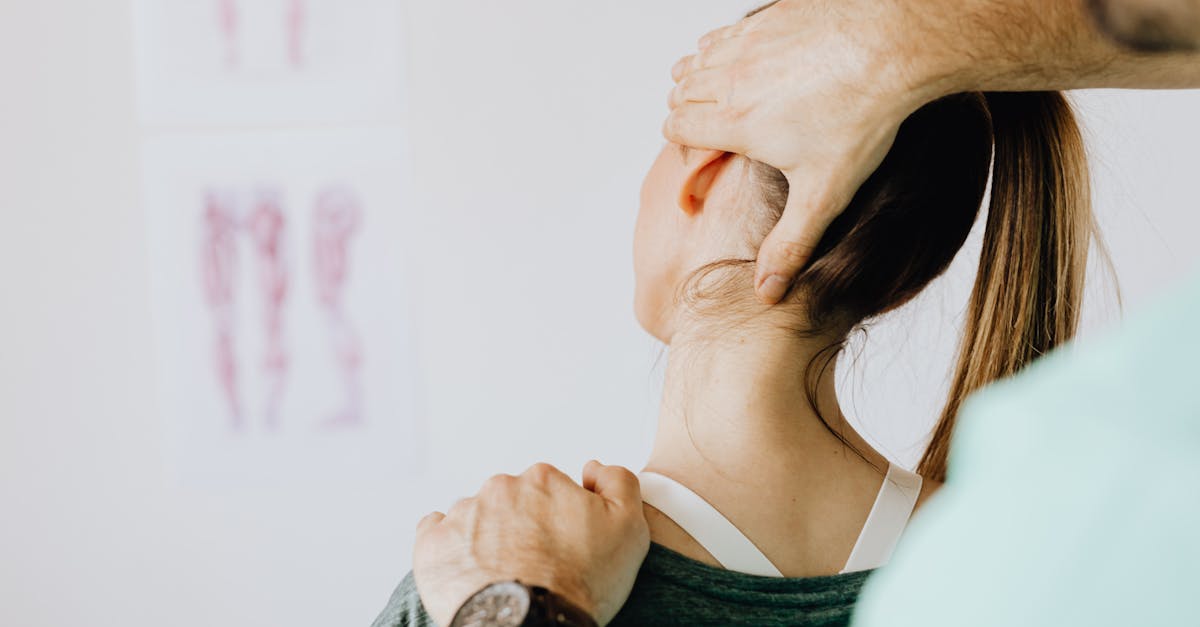

Feeling overwhelmed by stress and upper back pain? Seek Pulse Align’s Calm.
In Short: Stress and upper back pain causing you discomfort? Discover how you can relieve the muscle tension in your upper back while improving your posture and promoting better overall well-being. At Pulse Align Clinics, we advocate for innovative approaches that focus on upper back pain relief through upper back pain exercises and ergonomic practices. Reclaim your health and wellness at Pulse Align Clinics. BOOK YOUR APPOINTMENT today!
Are you struggling with upper back pain and poor posture?
Feeling overwhelmed by stress and upper back pain? Seek Pulse Align’s Calm. Studies show that nearly 80% of adults experience upper back pain at some point in their lives, often exacerbated by muscle tension in the upper back, rounded shoulders, and poor posture. Discover how our innovative approach not only targets pain between shoulder blades but also enhances upper back pain relief through effective upper back pain exercises. Pulse Align emphasizes posture correction and proper lifting techniques to promote overall well-being, ensuring you can regain control and comfort in your daily activities.

Feeling Overwhelmed by Stress? Seek Pulse Align’s Calm
In today’s fast-paced world, it’s common to feel overwhelmed by stress and discomfort that can affect your daily life. With the added complexities of maintaining a healthy posture, it can become a challenge to find balance and well-being. Fortunately, there are innovative approaches like Pulse Align, which focus on posture improvement and neuromuscular recalibration to help you feel more anchored and grounded.
Pulse Align: A Natural Approach
Pulse Align is a gentle, technological method designed to promote muscle tone symmetry and optimal function in the body without invasive techniques. Utilizing gentle stimulation, the service can assist in addressing areas of tension, thereby fostering the body’s ability to restore its own natural balance. By recalibrating the neuromuscular system, clients often find themselves feeling lighter, freer, and more connected to their bodies.
The Holistic Benefits of Choosing Pulse Align
This approach emphasizes not just physical wellness but embraces a holistic view where the body’s inherent healing abilities take center stage. Clients experience improvements that often align with posture correction and enhanced flexibility, contributing to a more comfortable day-to-day experience. Families, including children and expectant mothers, can benefit from the inclusive nature of Pulse Align’s services. Many clients consistently report feeling more aligned and centered, enhancing their overall well-being and quality of life.
Client Experiences and Testimonials
Many clients have shared their experiences with Pulse Align, noting how they have been able to improve posture naturally and reduce instances of discomfort in the upper back and shoulders. For example, one client mentioned, “Since starting my sessions, I’ve noticed a remarkable difference in my posture and much less tension in my neck.” Testimonials like this showcase how simply adjusting muscle tone can lead to lasting personal benefits.
Your Wellness Journey Begins Here
If you’re ready to embark on a journey toward better balance and comfort, consider booking a consultation with Pulse Align. Whether you are based in Montreal, La Prairie, Terrebonne, Chicoutimi, Charlesbourg, Saint-Jérôme, Châteauguay, Sainte-Marie, Les Escoumins, Granby, or Panama City, we have a clinic near you. Visit our website to learn more and find the Pulse Align clinic near you. Remember, while Pulse Align complements your overall wellness strategy, it works in harmony with your healthcare team’s recommendations. Let’s take this step towards better well-being together!
- Identify Stress Triggers: Recognize what causes your stress.
- Recognize Symptoms: Awareness of back pain linked to anxiety.
- Practice Deep Breathing: Utilize breath control to calm your mind.
- Maintain Good Posture: Prevent tension with proper alignment.
- Engage in Regular Exercise: Boosts mood and relieves muscle tension.
- Explore Mindfulness Techniques: Stay present to reduce anxiety impacts.
- Seek Professional Guidance: Consultation with experts at Pulse Align.

It’s no secret that many individuals struggle with upper back pain, especially in today’s fast-paced world. If you find yourself dealing with persistent pain between shoulder blades alongside the stress that seems to accompany this discomfort, it’s essential to seek relief through effective methods. Pulse Align offers a holistic approach to addressing dorsal pain and promoting overall well-being. Through neuromuscular health practices, posture improvement, and strategies for upper back pain relief, you can regain your natural balance and reclaim a pain-free life.
The Link Between Stress and Upper Back Pain
The relationship between stress and upper back pain is undeniable; with rising anxiety levels, muscle tension in the upper back often follows. This tension occurs due to poor posture, rounded shoulders, and a lack of core strengthening, leading to discomfort in the thoracic spine. As you navigate through stressful situations, your body reacts, tightening muscles in the upper back area. Recognizing this connection is a crucial first step in breaking the cycle of pain and stress.
Effective Upper Back Pain Exercises for Stress Relief
Combat upper back pain and muscle tension with effective exercises tailored for relief. Here are some upper back pain exercises that focus on posture correction and trunk stability:
- Scapular Retractions: While seated, pull your shoulder blades together and down, holding for a few seconds before relaxing. This exercise helps strengthen muscles that support proper posture.
- Cat-Cow Stretch: This yoga pose gently stretches the spine and relieves tension. Alternate between arching your back upwards (cat) and dipping your hips downwards (cow) while on all fours.
- Pec Stretch: Stand in a doorway and place your hands on the frame. Step through to stretch the chest and shoulders, counteracting the effects of rounded shoulders.
These exercises promote core strengthening and enhance posture, making them beneficial for managing pain related to stress and poor alignment.
Integrating Core Strengthening and Proper Lifting Techniques
Cultivating strong core muscles is essential for supporting your spine. Regular trunk exercises not only boost stability but also help alleviate thoracic spine pain. Incorporate the following practices into your routine:
- Planks: Hold a plank position to engage your core and upper body muscles.
- Wall Sits: This exercise strengthens your legs and core while promoting stability.
Additionally, always employ proper lifting techniques to avoid exacerbating your back pain. Bending at the knees rather than the waist can significantly reduce strain on your back, enhancing your overall lifting ability.
Seeking Professional Guidance for Pain Relief
While self-care strategies are vital, it’s also crucial to consult with professionals. Pulse Align offers personalized exercise plans and therapies, including shockwave therapy, to address your specific needs. Take the first step toward relief from stress-induced upper back pain by booking a consultation with Pulse Align. Explore the benefits of their comprehensive approach today.
Your journey to well-being starts here. Don’t let stress and upper back pain dictate your life. Seek out Pulse Align’s calm and restore balance to both your body and your mind.
| Symptoms | Pulse Align’s Solutions |
|---|---|
| Muscle Tension | Targeted stretch techniques to relieve tightness. |
| Anxiety | Cognitive Behavioral Therapy for emotional balance. |
| Poor Posture | Guidance for posture correction to enhance alignment. |
| Chronic Pain | Customized exercise plans to strengthen muscles. |
| Stress | Mindfulness and relaxation practices to improve well-being. |
| Fatigue | Energy management strategies through self-care. |
| Social Isolation | Community and support groups for connection. |

Transformative Wellness Journeys with Pulse Align
Many clients have discovered the profound benefits of Pulse Align’s approach to managing daily stress and upper back pain. By tapping into the body’s innate ability to recalibrate and restore balance, individuals have experienced positive changes that extend beyond mere symptom relief. Clients from regions such as La Prairie and Mont-Royal have felt empowered in their wellness journeys, embracing a pathway that honors the body’s natural healing mechanisms.
One client shared, “Since I began my sessions at Pulse Align, I’ve noticed a significant reduction in my upper back pain that seemed tied to my overwhelming stress. This holistic approach has not just targeted my pain; it has helped calm my mind, allowing me to regain a sense of peace.” Such testimonials underscore how the unique methods at Pulse Align align with clients’ needs, nurturing both mental and physical health.
Residents of Terrebonne and Les Escoumins have also expressed gratitude for the support received at Pulse Align. “The personalized care and attention to my body’s signals have led to improvements that feel both natural and sustainable,” another client notes. This dedication to fostering wellness means that many are leaving their sessions feeling rejuvenated and more capable of navigating life’s stresses.
In cities like Châteauguay and Saint-Jérôme, clients have found that integrating Pulse Align’s services into their wellness routine has paved the way for a more balanced life. “I no longer feel burdened by my pain or anxiety. Instead, I’m discovering new ways to engage with my family and work, thanks to the remarkable support from Pulse Align’s team,” one resident reflects.
For those exploring wellness options in Chicoutimi, Deux-Montagnes, or even Panama City, Pulse Align serves as a beacon of hope. Their commitment to collaborating with healthcare teams enriches the support network available to clients and their families, ensuring that every journey is embraced with compassion and understanding. To learn more about how Pulse Align can assist you in achieving optimal wellness, check out Our Clinics and explore what our unique approach can do for you.
Over 500 million people across the globe suffer from back pain. Anxiety can make this worse, even though it’s not always the main cause. For many individuals, recognizing how anxiety-related back pain feels is the first step toward finding relief. Anxiety can manifest in our bodies, leading to ongoing pain that transforms daily activities into daunting challenges.
This guide will explore the various signs of anxiety-related back pain, such as muscle tension and aches. We’ll discuss why anxiety exacerbates back pain and how to manage it effectively. It’s important to understand that if you’re curious about the connection between anxiety and physical pain, you’re not alone. For additional information on how anxiety can physically manifest, refer to Healthline or visit Mood Care Health to learn about often-overlooked symptoms.
Key Takeaways
Anxiety can physically manifest in various forms, often resulting in noticeable tension back aches. By understanding the symptoms of anxiety, individuals can enhance their back pain management strategies. Stress from anxiety disorders can escalate muscle tension, compounding back pain. Implementing effective self-care techniques, including relaxation and exercise, can alleviate tension back aches. Seeking professional help, such as cognitive-behavioral therapy, is crucial for effectively addressing anxiety and achieving pain relief.
Understanding anxiety disorders is vital as they affect countless individuals globally and come in different varieties. A comprehensive approach to understanding them will offer valuable insights into their connection with physical discomfort, including back pain.
Overview of Anxiety Disorders
Anxiety encompasses conditions such as generalized anxiety disorder (GAD), panic disorder, and social anxiety. Each disorder presents unique challenges, yet they share common symptoms such as persistent worry, restlessness, and irritability. Chronic stress can worsen these conditions, resulting in increased muscle tension that may lead to chronic back pain.
Common Anxiety Symptoms
Recognizing anxiety symptoms is essential for effective management. Typical signs include:
- Muscle tension
- Headaches and migraines
- Fatigue and lethargy
- Difficulty concentrating
- Sleep disturbances
Addressing these symptoms is crucial, as chronic stress can lead to sustained muscle tension, contributing to back pain. It’s imperative for individuals experiencing such symptoms to seek help, as managing anxiety can prevent chronic back pain from developing.
What Does Anxiety Back Pain Feel Like
Anxiety back pain is prevalent among those with anxiety disorders and typically manifests as tightness, heaviness, or sharp pain in the back. These sensations arise from muscle tension and discomfort, commonly referred to as tension back aches. Understanding these symptoms is essential to recognizing their impact on daily life activities.
Physical Sensations Associated with Anxiety
Individuals frequently encounter various physical symptoms alongside anxiety, intensifying back pain. Common experiences include:
- Tightness in the upper back, making deep breathing difficult
- Stiffness that limits movement
- Soreness or spasms lead to discomfort during everyday activities
As muscle tension escalates due to anxiety, any pain may consequently worsen. Psychological back pain is intricately connected to both stress and physical symptoms, emphasizing the need for effective management.
The perception of pain varies significantly among those experiencing anxiety-related back pain, with heightened sensitivity causing many individuals to feel discomfort more acutely when anxious. This increased sensitivity results in stronger sensations and initiates a cycle where tension exacerbates anxiety, making it challenging to navigate.
The Connection Between Stress and Back Pain
Stress profoundly affects the body, leading to an increased likelihood of experiencing back pain. When stress levels rise, muscle tightening often occurs unconsciously, which can intensify over time and lead to pain or even chronic conditions.
How Stress Affects Muscle Tension
Stress triggers various physiological responses in the body, particularly in the muscles. Under stress, muscles tighten, making individuals more susceptible to back pain. Research indicates that stress can lead to increased muscle tension, reduced blood flow, and heightened pain sensitivity. If this muscle tension persists, it can result in chronic back pain, which many find challenging to manage.
Stress Back Pain: Common Experiences
Stress-related back pain may manifest in several ways, altering an individual’s perception of pain. Common experiences include:
- Exacerbation of pain due to stress
- Misinterpretation of stiffness as merely fatigue
- Development of headaches alongside back pain
- Difficulties in maintaining healthy posture due to tight muscles
Studies show chronic stress could increase the likelihood of developing chronic back pain significantly. Ongoing stress and social isolation can also impact pain levels, underscoring the importance of stress management in alleviating muscle tension and preventing further discomfort.
Causes of Anxiety-Related Back Pain
Anxiety influences our bodily experiences extensively, causing back pain primarily through two factors: muscle tension and inactivity, especially when anxiety prompts an individual to adopt distinct sitting or standing postures. Understanding these origins can facilitate pain management and mitigation strategies.
Muscle Tension and Inactivity
Anxiety frequently manifests as muscle tension, predominantly affecting both the upper and lower back. As tension builds, pain can intensify due to heightened bodily awareness. Stress-induced muscle tightness is a frequent observation among therapists working with individuals battling anxiety. Additionally, anxiety can reduce overall activity levels, compounding back pain as routine physical engagement is curtailed.
Posture Changes Due to Anxiety
Anxious feelings can alter how individuals sit and stand, negatively impacting back health. Poor posture coupled with decreased movement invites chronic pain. Consequently, feelings of unease can contribute to neck and shoulder stiffness, exacerbating discomfort. It’s crucial to maintain awareness of body alignment in fighting against this pain.
Factors Impact on Back Pain
- Muscle Tension: Heightens discomfort and can lead to chronic pain, particularly in stressed individuals.
- Inactivity: Contributes to discomfort and pain in the back due to decreased physical activity levels.
- Posture Changes: Poor posture results in muscle stiffness, contributing to long-term discomfort.
- Hypersensitivity: Intensifies mild back pain, complicating the management process.
- Cycle of Pain and Anxiety: Creates a feedback loop where anxiety worsens pain, and pain escalates anxiety.
The Vicious Cycle: Anxiety and Back Pain
Anxiety and back pain often create a challenging loop for many. Initially, back pain can intensify anxiety, which generates muscle tension, further worsening the pain. This illustrates how pain amplifies anxiety symptoms, complicating management strategies.
How Pain Amplifies Anxiety Symptoms
Research indicates that individuals with anxiety may exhibit heightened sensitivities to pain. Minor discomforts, such as back pain, can exacerbate fears, resulting in a more sensitive nervous system. Chronic low back pain can disrupt daily life due to a phenomenon known as central sensitization, where pain experiences become amplified irrespective of injury.
Anxiety Responses to Physical Discomfort
Anxiety can generate muscle tightness, leading to issues such as spasms that further perpetuate back pain. Neglecting anxiety can induce inflammation, placing the body in a continual state of stress known as ‘stress-response hyperstimulation.’ It’s essential to enhance both physical and mental health to break this cycle.
Aspect Impact
- Pain Perception: Heightened anxiety stemming from minimal back pain.
- Muscle Tension: Leads to enduring discomfort and impaired mobility.
- Central Sensitization: Elevates normal pain signals.
- Stress Responses: Can cause chronic back pain through inflammation.
- Treatment Strategies: Effective methods include yoga, mindfulness, and physical therapy.
Recognizing the cyclical nature of anxiety and back pain is essential. Treatments must address both psychological and physical aspects; incorporating relaxation methods, exercise, and therapy can liberate individuals from this cycle, promoting better health and reduced pain.
Psychological Back Pain: A Deeper Look
Understanding the connection between mental health and back pain is critical. Mental health challenges, such as anxiety, influence pain perception significantly. Recognizing how these two elements interplay is vital for effective pain management.
The Impact of Mental Health on Pain Perception
Mental health plays a critical role in shaping pain experiences. Those with anxiety tend to perceive pain more acutely. The brain’s response to stress and worry heightens sensitivity to pain, creating a cycle where physical discomfort appears exacerbated, complicating recovery.
Distinguishing Between Psychological and Physical Pain
Differentiating between psychological and physical back pain can be challenging. Physical pain results from identifiable causes such as injuries or inflammation, while psychological pain lacks a definitive physical source yet can still result in authentic discomfort or stiffness. Understanding this distinction is crucial for identifying appropriate treatments, as both necessitate attention, with mental health treatment offering potential relief from pain.
Chronic Stress and Its Effects on Back Pain
Comprehending chronic stress helps elucidate its connection to back pain. Chronic stress arises from ongoing anxiety, work pressures, or significant life changes. It incites excessive worrying that catalyzes muscle tension, creating additional strain on the back. Actions such as lifting heavy objects may further exacerbate this situation, leading to increased discomfort.
Understanding Chronic Stress
Chronic stress manifests from various sources like anxiety, employment strain, or major life transitions, inducing considerable worry. This stress response causes muscle tightening, leading to increased back pain, compounded by poor posture and additional strain from physical activities.
The Long-Term Effects of Untreated Anxiety
Failure to address anxiety can lead to severe physical consequences in the body. Persistent anxiety keeps stress hormones elevated, resulting in muscle twitching and tension. Over time, managing pain becomes more difficult, increasing susceptibility to conditions like sciatica and fibromyalgia while exacerbating insomnia and fatigue, both of which can heighten pain sensitivity.
Effectively addressing chronic stress is crucial for managing back pain. Incorporating activities such as exercise, meditation, and therapeutic dialogues can assist individuals in overcoming chronic stress at its source, improving overall health, and preventing long-term pain complications.
Managing Muscle Tension from Anxiety
Mental tension from anxiety significantly affects daily life. Confronting this tension is crucial for enhancing well-being. Implementing effective stretching techniques and maintaining posture awareness can alleviate discomfort linked to anxiety-related back pain.
Effective Stretching Techniques
Incorporating stretches into your daily routine can help alleviate tension. Consider these beneficial stretches:
- Neck Stretch: Gently tilt your head toward one shoulder, holding for 15 seconds on each side.
- Shoulder Rolls: Roll your shoulders in circular motions, 10 times in each direction.
- Hip Flexor Stretch: Kneel on one knee and gently push your hips forward, holding the stretch for 20 seconds on each side.
- Child’s Pose: Sit back on your heels with arms extended forward, holding for 30 seconds to ease spinal tension.
Posture Awareness and Correction
Maintaining proper posture is integral to mitigating muscle tension. Anxiety often fosters poor posture, exacerbating back pain. Being conscious of body alignment can help prevent such complications. Here are helpful posture tips:
- Make sure your workstation setup is ergonomic; position your monitor at eye level, keeping your feet flat on the ground.
- Engage your core muscles while standing or sitting to support your spine.
- Initiate a stretching break every hour to maintain proper posture.
- Practice deep breathing and relaxation techniques to reduce tension.
Utilizing effective stretching methods alongside maintaining posture awareness can significantly reduce muscle tension associated with anxiety. Taking proactive steps toward relaxation is essential for achieving balance and comfort in daily activities.
Anxiety Management Techniques for Back Pain Relief
Successfully managing anxiety significantly enhances the quality of life for individuals experiencing back pain. Anxiety management strategies address both mental and physical discomfort while providing a comprehensive approach to mitigating pain and improving overall well-being.
Cognitive Behavioral Therapy (CBT)
Cognitive behavioral therapy modifies negative thought patterns related to pain and anxiety, allowing individuals to replace harmful beliefs with healthier perspectives. This therapy equips clients with effective coping strategies, demonstrating its efficacy in reducing anxiety and alleviating pain. Participants in CBT often report feeling more control over their back pain.
Relaxation Techniques and Their Effectiveness
Incorporating relaxation methods provides substantial benefits for anxiety-related back pain. Techniques such as deep breathing, meditation, and mindfulness foster tranquility while reducing muscle tension. Applying calming music within these practices enhances mood and supports the management of chronic pain effectively. Integrating these methods with additional strategies proves beneficial for anxiety management.
Complementary Approaches to Alleviating Anxiety Back Pain
Addressing anxiety-related back pain typically requires a multifaceted approach. Regular exercise is vital for enhancing muscle strength, flexibility, and overall wellness. Understanding the interconnectedness of physical and mental health allows individuals to formulate a comprehensive action plan for pain management.
Role of Exercise and Physical Activity
Engaging in physical activity plays a critical role in combating anxiety and back pain. Studies indicate that just five minutes of aerobic exercise can reduce anxiety levels. Exercise elevates mood and alleviates tension. Activities like yoga, Pilates, or swimming are particularly effective for fortifying the core, enhancing flexibility, and promoting healthy posture—thereby relieving strain on the spine and easing discomfort.
Benefits of Massage Therapy
Massage therapy serves as a powerful tool against anxiety and back pain. It relaxes tight muscles and enhances blood circulation. Particularly, Swedish massage is beneficial for those facing anxiety disorders and can be instrumental in a holistic treatment plan, addressing both physical and mental health.
When to Seek Professional Help
Anxiety-related back pain can significantly disrupt daily living. Recognizing the appropriate time to pursue assistance is crucial for managing both physical and emotional distress. If pain persists or intensifies, it’s essential to consult a professional. Overwhelming anxiety or persistent feelings of hopelessness also warrant seeking help.
Signs That Indicate the Need for Treatment
- Persistent back pain that doesn’t improve with self-care strategies.
- Severe pain accompanied by anxiety symptoms such as panic attacks.
- Notable changes in daily functioning or social withdrawal.
- Emotional distress characterized by feelings of despair or excessive worry.
- Worsening soreness despite attempts at self-care.
Those experiencing these symptoms should explore treatment options. Engaging with professionals can effectively address physical pain and facilitate anxiety management.
Finding the Right Therapist
Identifying an appropriate therapist is crucial for managing anxiety-related back pain. Seek out professionals specializing in mental health alongside physical symptoms. Here are key considerations when searching for a therapist:
- Credentials: Verify that the therapist is licensed and qualified in relevant fields.
- Experience: Opt for a specialist experienced with anxiety-related conditions.
- Approach: Clarify their therapeutic methodologies, such as cognitive behavioral therapy (CBT).
- Availability: Ensure their schedule aligns with your needs.
If uncertain about the type of anxiety you’re experiencing, consider taking an online assessment to enhance your understanding of symptoms and determine if professional help is warranted.
Our Mission
At Pulse Align, our mission is to deliver evidence-based, client-centered treatments that address the underlying causes of pain and dysfunction. By integrating advanced techniques and technologies, we strive to empower each person to take control of their health, ensuring a high standard of care, lasting relief, and an improved quality of life.
Learn more about his approach and available services at www.pulsealign.com and find a location near you here.
Transform Your Life with TAGMED’s Advanced Spinal Decompression Therapy
TAGMED offers a groundbreaking solution for individuals grappling with chronic pain or symptoms stemming from conditions like herniated discs, bulging discs, spinal stenosis, and more. Our innovative Spinal Decompression Therapy is designed specifically to address moderate-to-severe disc issues in a non-surgical manner. By gently reducing pressure on affected discs and nerves, this specialized technique enhances mobility, alleviates pain, and supports your body’s natural healing process. If you find yourself plateauing with conventional therapies, discover how TAGMED’s evidence-based decompression approach can help you lead a more active and comfortable life.
Have you tried conventional treatments and still struggle with persistent back pain due to a severe disc condition?
Mechanism of Action
TAGMED’s neurovertebral decompression employs a controlled, progressive traction force applied to the spine. This effective method increases the space between vertebrae, reduces pressure on intervertebral discs and nerve roots, and promotes better fluid circulation in the targeted area. By relieving compression, this process helps decrease inflammation and relieve pain, presenting a safe, non-invasive solution for individuals suffering from chronic back pain related to disc issues.
Specific Benefits
The non-invasive nature of TAGMED’s approach is highly effective for alleviating chronic pain and associated symptoms from conditions such as herniated discs or spinal stenosis. By significantly reducing pressure on nerve structures, this therapy optimizes fluid circulation around the discs. Patients experience expedited recovery and an enhanced quality of life, making it a suitable option for those escaping the grips of persistent discomfort.
Comparison with Other Treatments
When comparing TAGMED’s neurovertebral decompression technology to traditional treatments like pain medications, corticosteroid injections, surgery, or standard physiotherapy, the advantages become evident. This method does not involve invasive procedures, significantly minimizes risks related to medications, and potentially fast-tracks your recovery journey. This makes decompression a compelling substitute for patients tired of uncertain outcomes associated with conventional therapies.
Case Studies or Testimonials
Numerous patients have shared their experiences with TAGMED’s neurovertebral decompression, illustrating significant improvements. Many have reported lasting pain relief, quicker resumption of daily activities, and a reduced dependence on pharmaceuticals following treatment. These firsthand accounts provide compelling evidence of the practical benefits and tangible results this therapeutic approach delivers.
TAGMED is committed to enhancing the lives of individuals affected by chronic pain. Our Spinal Decompression Therapy has demonstrated success in treating conditions such as disc herniation, degenerative disc disease, and foraminal stenosis. Explore this option today and take a proactive step toward a healthier, more active lifestyle.
If you find yourself struggling with the impact of stress and upper back pain, consider the holistic solutions offered by Pulse Align. Our focus is always on posture correction and holistic health, promoting a gentle, non-invasive approach that supports your body’s innate ability to heal.
By engaging with Pulse Align, clients often experience a range of benefits including improved posture, reduced discomfort, and increased mobility. Our unique techniques aim not only to alleviate pain but to foster an environment where overall wellness can flourish.
Clients have shared their positive experiences with us, highlighting how our approach has encouraged them to find balance and regain control over their lives. This emphasis on client-centric care ensures that each individual feels supported and empowered throughout their wellness journey.
Take a proactive step towards enhancing your well-being today. Discover the Pulse Align difference and learn more about how our services can transform your experience. Schedule your consultation now and embrace a path towards natural pain relief and rejuvenation.
In unity with your body’s natural healing abilities, we invite you to explore our offerings and take the first step towards a healthier, more balanced you.
Do you suffer from a chronic condition that responds little or not at all to conservative treatments?
If you find yourself feeling overwhelmed by stress and upper back discomfort, it may be time to explore innovative, non-invasive solutions that can help restore your body’s natural balance. Pulse Align offers a gentle and effective approach through the use of imperceptible pulses that promote muscle tone symmetry and improved posture. This gentle method can lead to a natural alleviation of muscle and joint tension, paving the way towards greater comfort and wellness.
At Pulse Align, we believe that true well-being comes from allowing the body to recalibrate itself naturally. Our focus is not on addressing discomfort directly, but rather on empowering clients to enhance their overall resilience and balance. Many individuals experience amazing improvements in their daily comfort and posture following our sessions. This natural approach nurtures a supportive environment where individuals can thrive without relying on conventional treatments.
We pride ourselves on providing a personalized experience tailored to each client’s unique needs. Countless testimonials highlight how our services have led to notable enhancements in the areas of neck and back tension, as well as overall wellness. Clients celebrate their journey towards a more balanced state of being, shedding the burdens of tension and discomfort, and enjoying a renewed sense of vitality for both themselves and their loved ones.
To discover how Pulse Align can support your family’s wellness journey, we invite you to visit our website, where you can find nearby locations in cities such as La Prairie, Mont-Royal, and Terrebonne, or book a consultation for yourself or your loved ones. Remember, our services complement a broader wellness path and work alongside your existing healthcare approaches, ensuring that every client receives safe and effective support.
Pulse Align’s innovative technology focuses on restoring symmetry in muscle tone, easing joint tension in the spine, all provided through a personalized and comfortable experience. Safe for all ages, including children and pregnant individuals, our services are designed to resonate with your wellness philosophy. Experience high-quality care tailored specifically for you and your family’s wellness needs.
Take the first step towards a more harmonious and balanced life—book your appointment online today! For safer, family-friendly wellness support, explore our world at Pulse Align. Empower your body’s ability to flourish and thrive through our gentle, innovative approach.
Frequently Asked Questions
Dorsal Pain
Do anti-inflammatory drugs help with mid-back pain?
They can provide temporary relief but do not address underlying causes.
How important is standing posture for preventing mid-back pain?
Standing straight, keeping shoulders aligned with hips, and avoiding leaning forward reduces strain on the back.
Can I alternate hot and cold to relieve mid-back pain?
Yes, alternating heat and cold can boost circulation, reduce inflammation, and relax muscles.
Les exercices de respiration sont-ils utiles contre la douleur dorsale ?
La respiration profonde détend les muscles du dos et améliore l’oxygénation, pouvant ainsi contribuer à soulager la douleur.
Les exercices d’étirement du pectoral aident-ils ?
Oui, étirer les pectoraux peut corriger l’enroulement des épaules, réduisant les tensions dans le dos.
Peut-on faire du renforcement musculaire lorsque l’on a mal au dos ?
Oui, mais sous la supervision d’un professionnel, afin d’éviter d’aggraver la douleur et de choisir des exercices adaptés.
Do strengthening exercises for the back help reduce mid-back pain?
Yes, exercises targeting the paravertebral muscles, abdominals, and core can improve stability and reduce pain.
Should I use heat or cold for mid-back pain?
Heat relaxes muscles and improves circulation, while cold reduces inflammation. Both can be helpful depending on the situation.
Les exercices de gainage aident-ils pour la douleur dorsale ?
Oui, le gainage renforce le tronc, soutenant ainsi la colonne vertébrale et réduisant le risque de douleurs dorsales.
Are massages effective in relieving mid-back pain?
Yes, professional massages can relax tense muscles, improve circulation, and provide short-term pain relief.

Louis Tremblay knows firsthand how dorsal pain can overshadow everyday life, turning simple tasks into daunting challenges. As a Dorsal Pain Awareness Advocate at Pulse Align, he takes pride in translating cutting-edge research into down-to-earth guidance, offering actionable tips and heartfelt understanding for those seeking relief. Louis is driven by the belief that an informed community, bolstered by encouragement and empathy, can reclaim comfort and rediscover vitality. In his writing, readers find both practical strategies and a compassionate voice, making it clear: no one should have to shoulder the weight of dorsal pain alone.
Medical Disclaimer
The information and advice provided on this site do not replace the advice, diagnosis, or treatment of a healthcare professional. Please note that the author of this article is neither a doctor nor a specialist in a medical specialty as defined by the Collège des médecins du Québec. Manual medicine, functional medicine, and sports medicine as described on this site exclude any medical treatment or diagnosis made by a doctor or medical specialist. Always consult your doctor for any medical questions. For more details, please read our complete Legal Notice.